Analog to Digital Converters (ADC)
Analog-to-digital converters (ADC, A/D, or A-to-D) sample an analog signal, such as a sound picked up by a microphone or the output of a sensor, into a digital signal. Typically, the digital output is a two's complement binary number that is proportional to the input. Input types may be differential, pseudo differential or single-ended. ADCs are selected by number of bits, sampling rate, number of inputs, interface, number of converters, and the architecture such as adaptive delta, dual slope, folding, pipelined, SAR, Sigma-Delta or two-step.
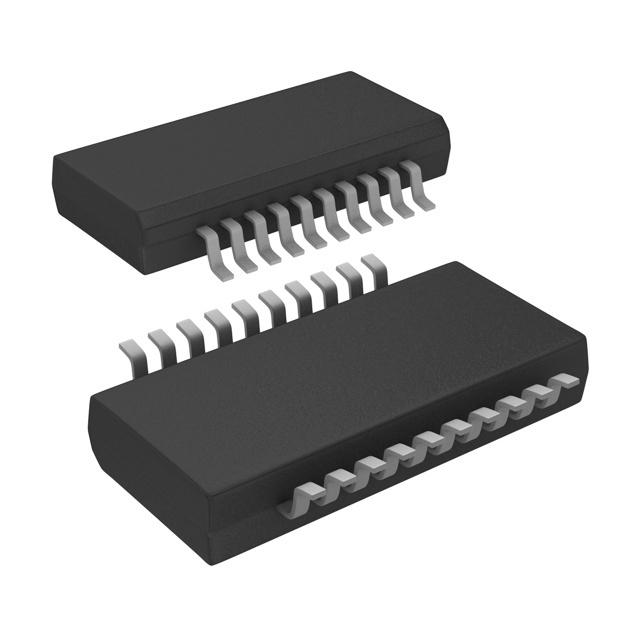
IC ADC 8BIT PIPELINE 20SSOP/QSOP
8.24

IC ADC 24BIT SIGMA-DELTA 32VQFN
0
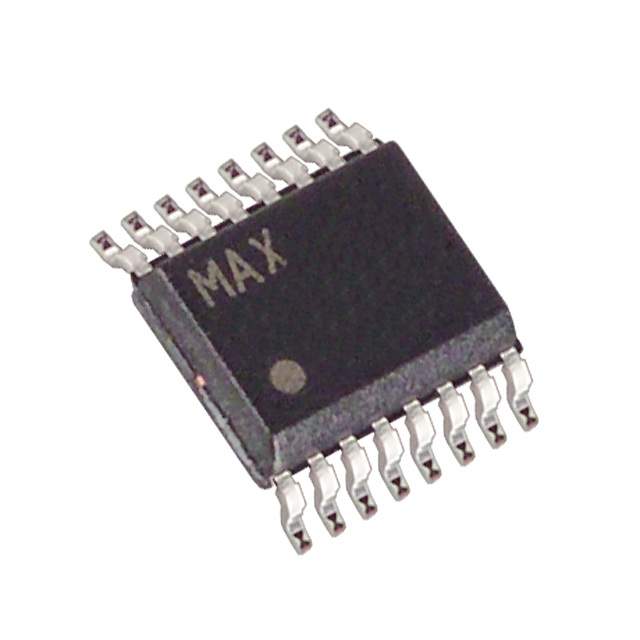
IC ADC 12BIT SAR 16QSOP
0
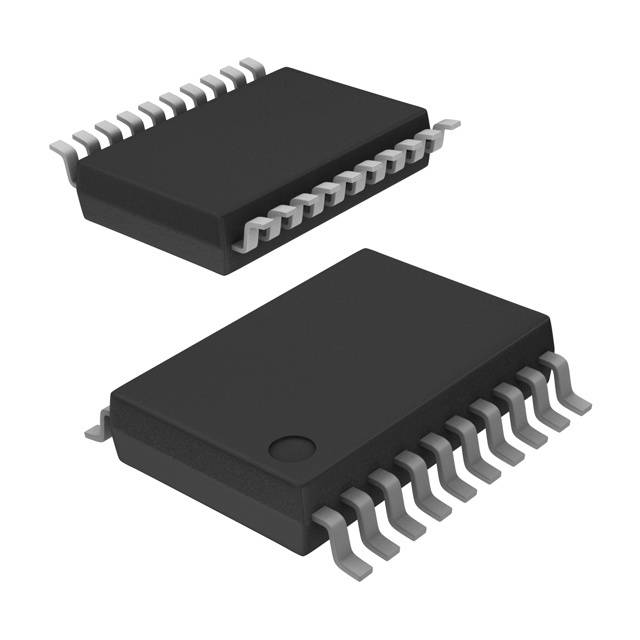
IC ADC 24BIT SIGMA-DELTA 20SSOP
0
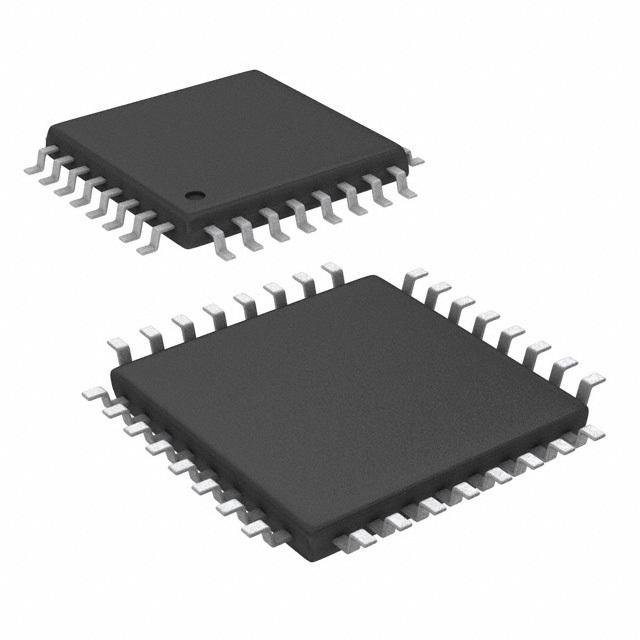
IC ADC 24BIT SIGMA-DELTA 32TQFP
0
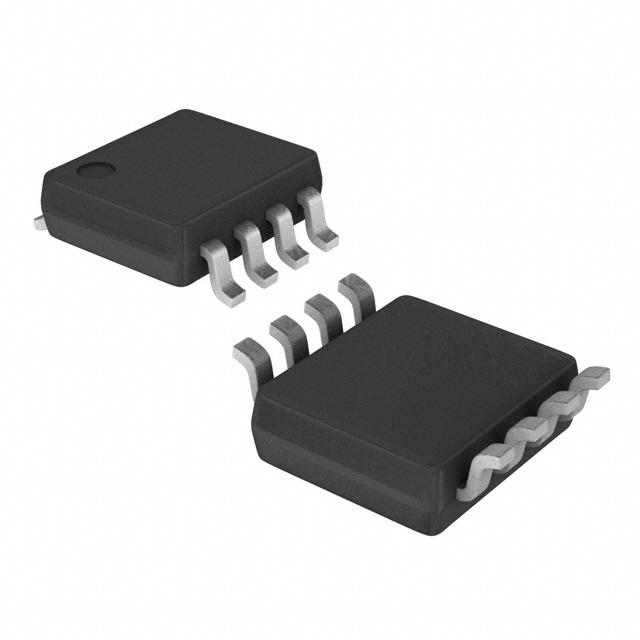
IC ADC 16BIT SAR 8VSSOP
0
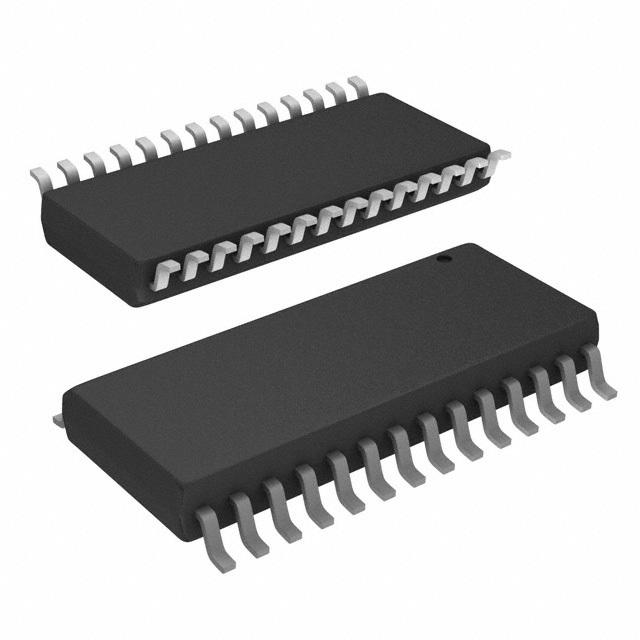
IC ADC SIGMA-DELTA 28SSOP
8.07
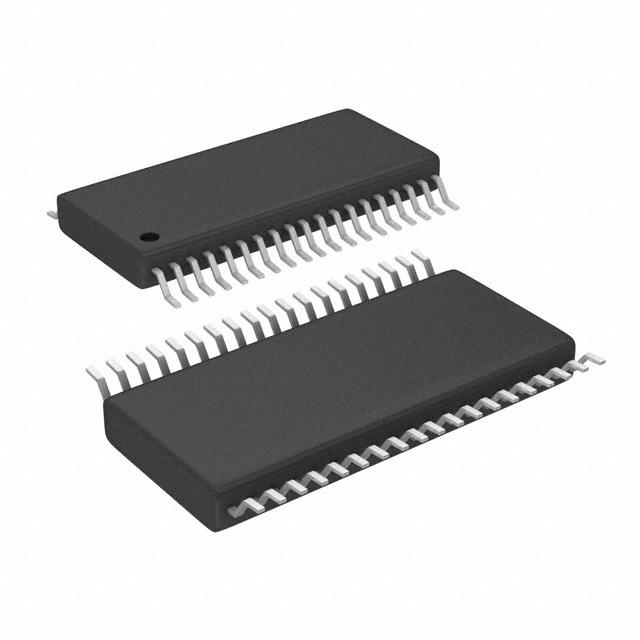
IC ADC 16BIT SIGMA-DELTA 38TSSOP
8